
Precision casting with excellent quality
Integrated research and development, manufacturing, sales, and technical services of laboratory scientific instruments and intelligent equipment
National Consultation Hotline 15738867410
Integrated research and development, manufacturing, sales, and technical services of laboratory scientific instruments and intelligent equipment
National Consultation Hotline 15738867410

15738867410
Greenland Binhu International City (District 1), Erqi District, Zhengzhou City, Henan Province
Details
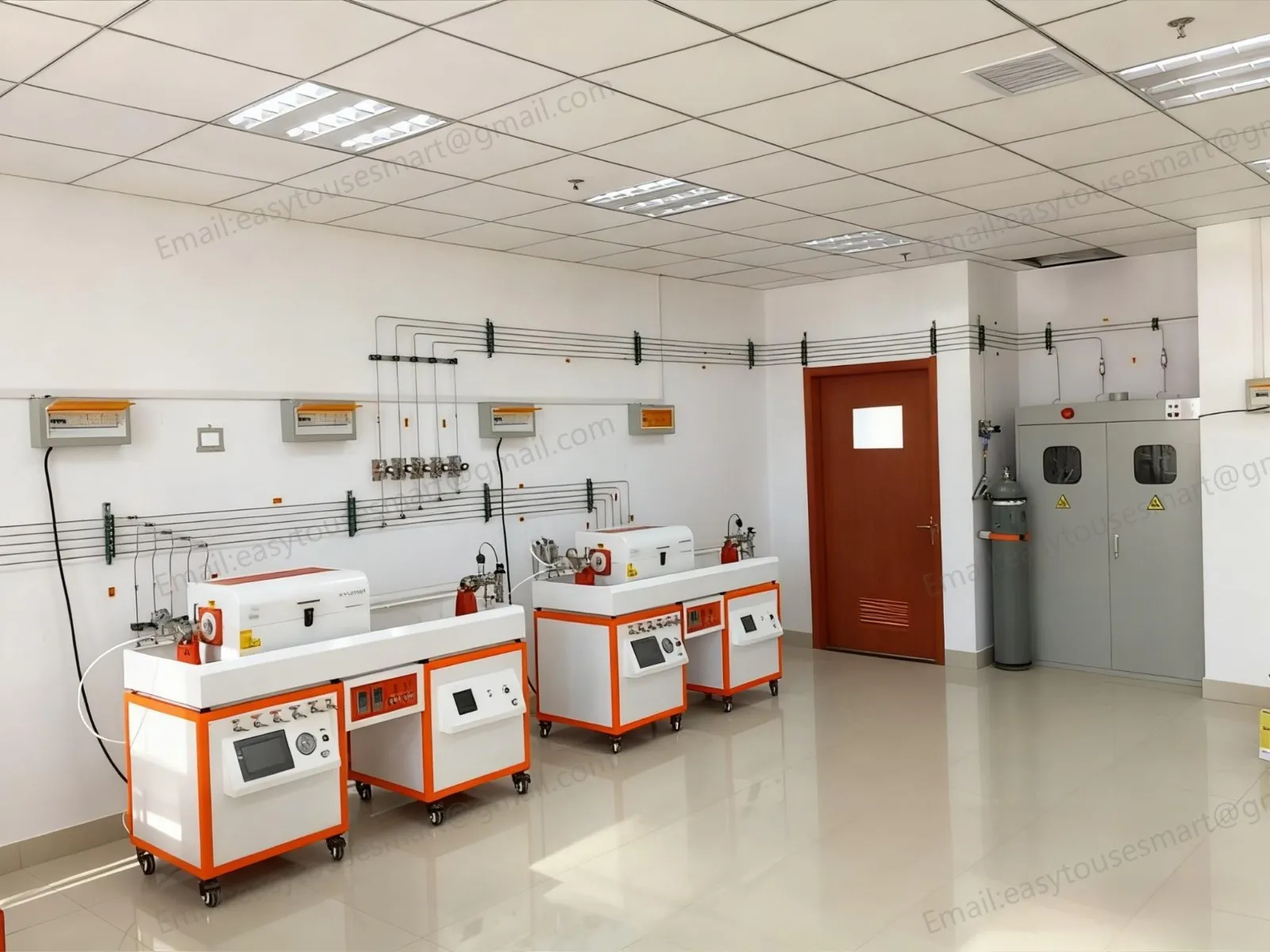
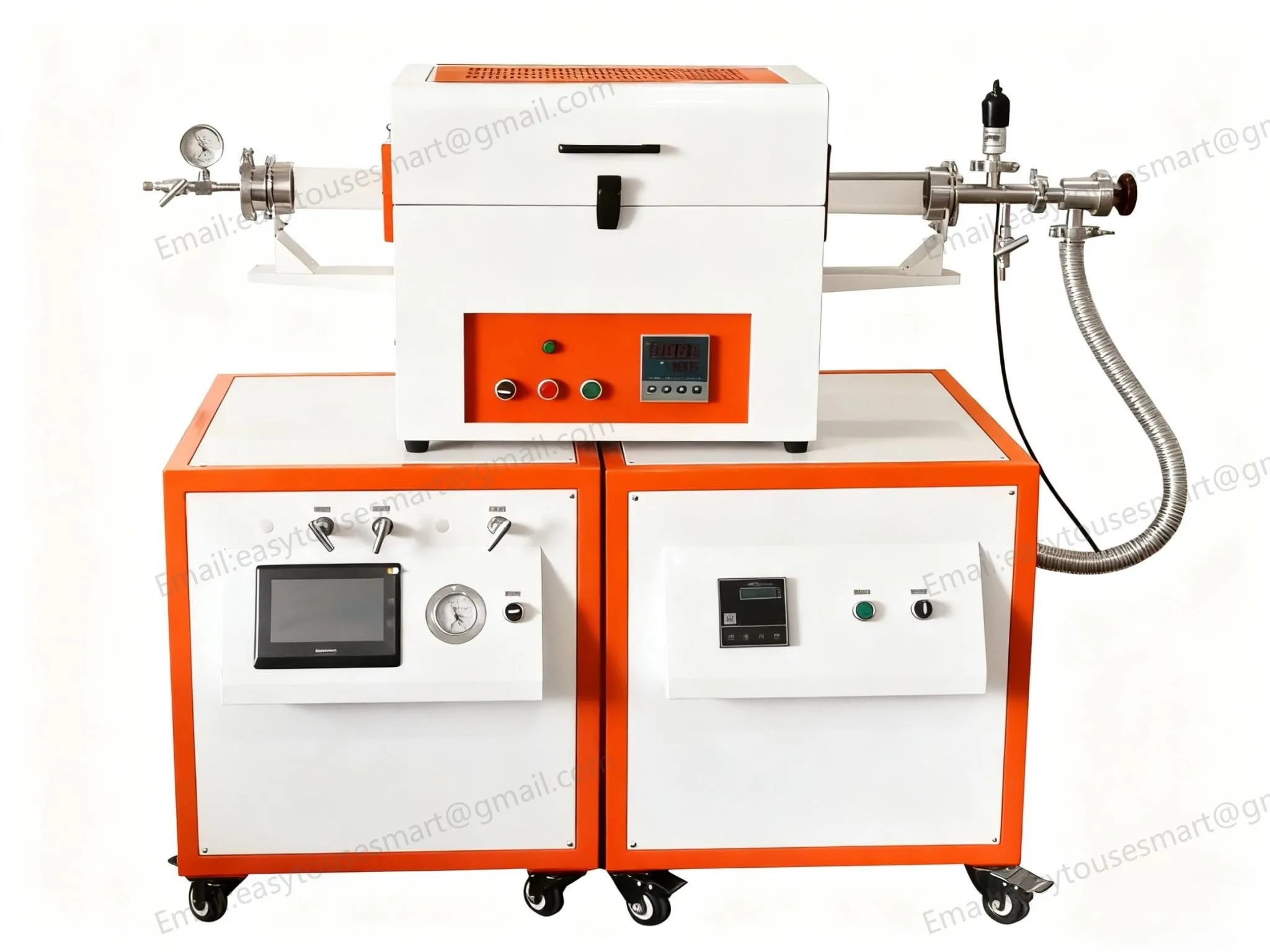
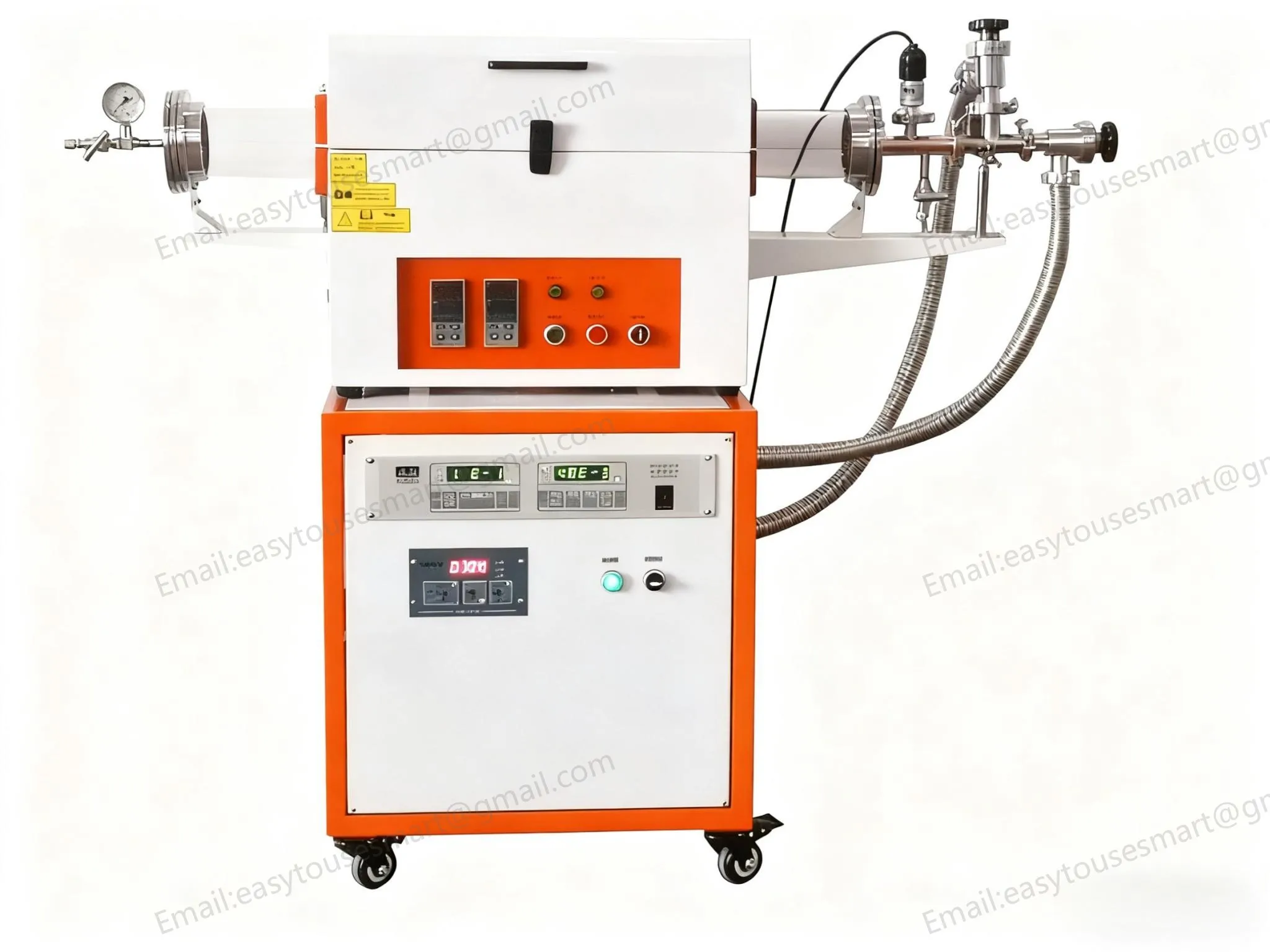
The Chemical Vapor Deposition (CVD) system is a high-end experimental apparatus specifically designed for advanced materials science research. It is widely used in the preparation of two-dimensional materials such as graphene, carbon nanotubes, transition metal dichalcogenides (TMDs), and boron nitride, as well as various semiconductor thin films, optical coatings, and hard protective films. The system utilizes gaseous precursors to undergo chemical reactions at high temperatures, depositing solid products onto substrate surfaces. With its flexible modular design, precise temperature control, and stable airflow management, it has become a core equipment for new material exploration, process optimization, and small-scale prototyping in universities, research institutes, and corporate R&D centers.
· The multi-zone high-precision temperature control system utilizes high-quality resistance wire or silicon-carbon rod heating elements, featuring single-zone, dual-zone, or triple-zone independent temperature control modules. Each zone is equipped with a high-precision PID intelligent thermostat, with a temperature range from room temperature to 1200°C (or higher, depending on the heating element), achieving a control accuracy of **±1°C**. The multi-zone design enables complex temperature gradient distribution, meeting the process requirements of different stages such as precursor evaporation, reaction zone deposition, and post-processing annealing, ensuring high-quality and uniform crystal growth.
· The precision multi-channel gas delivery and control system integrates 4-8 high-purity gas lines (customizable), each equipped with imported mass flow controllers (MFCs) offering a wide flow control range with ±1% F.S. accuracy. It supports precise mixing and rapid switching of reaction gases (e.g., CH₄, H₂, NH₃), carrier gases (Ar, N₂), and doped gases. The unique bypass exhaust design enables pre-mixing of gases without compromising the reaction chamber's vacuum, ensuring stable gas composition during the reaction.
· The system features wide-range vacuum and pressure control, supporting both atmospheric pressure chemical vapor deposition (APCVD) and low-pressure chemical vapor deposition (LPCVD) processes. It is optionally equipped with a high-performance mechanical-pump and molecular-pump combination, achieving ultimate vacuum levels of 10⁻³ Pa or higher. The system incorporates a high-precision capacitive film gauge or Pirani gauge for real-time monitoring of the reaction chamber pressure, with automatic feedback control via electric valves to optimize the growth environment for various materials.
· High-purity quartz reaction chambers with rapid cooling. The reaction chamber utilizes high-purity quartz tubes (available in diameters from Φ40mm to Φ150mm), featuring high-temperature resistance, corrosion resistance, and pollution-free operation. Some models are equipped with a rapid air-cooling system, which can quickly cool the sample to room temperature after the reaction, effectively "freezing" the crystal structure at high temperatures to prevent grain coarsening or phase transformation. This makes it particularly suitable for material preparation where cooling rate sensitivity is critical.
· The comprehensive safety interlock protection system features a robust safety mechanism, including over-temperature alarm and power-off protection, cooling water flow monitoring (automatic disconnection of heating power supply upon water cutoff), gas leak detection, and overcurrent protection. The electrical control cabinet adopts a user-friendly design with an emergency stop button to ensure the safety of personnel and equipment during the experimental process.
Parameter item | qualification |
heating furnace body | Number of temperature zones: 1 / 2 / 3 Independent temperature control for each zone Maximum temperature: 1100°C / 1200°C / 1400°C (optional) Constant temperature zone length: 200mm-400mm (single temperature zone) Temperature control accuracy: ±1℃ Ramp rate: 0.1-20°C/min (programmable) |
reaction chamber | Material: High-purity quartz tube (99.99%) Size: Φ40/60/80/100/150 mm × 1000-1200 mm Flange: Stainless steel quick-release flange, standard KF or CF interface |
gas system | Number of channels: 4 channels / 6 channels / 8 channels (expandable) Control method: Imported Mass Flow Controller (MFC) Flow range: 0-10/20/50/100/200 SCCM (configure on demand) Gas type: Compatible with corrosive, flammable, and toxic gases (requires special piping) |
vacuum and sub-atmospheric system | Extreme vacuum: ≤ 5×10⁻³ Pa (mechanical pump) / ≤ 1×10⁻⁴ Pa (molecular pump) Pressure measurement: Composite vacuum gauge (10⁵ ~ 10⁻⁴ Pa) Pressure control: Electric butterfly valve + PID pressure controller (optional) |
coolant passage | Method: Natural cooling / Forced air cooling / Water-cooled flange Air-cooled power: Adjustable-speed fan for rapid cooling |
navar | Interface: 7-inch/10-inch color touchscreen + PLC control Features: 30-program temperature curve setting, real-time data recording, fault self-diagnosis, remote communication interface (RS485/Ethernet) |
security guard | Overheat alarm, water cut-off protection, leakage protection, gas leak alarm (optional), emergency stop button |
power requirement | AC 220V/380V,50Hz, power output: 2kW to 6kW (depending on the furnace size) |
· Two-dimensional material growth: Chemical vapor deposition (CVD) of large-area single/multi-layer graphene, hexagonal boron nitride (h-BN), molybdenum disulfide (MoS₂), and other transition metal dichalcogenides (TMDs).
· Preparation of carbon nanomaterials: Directed growth and array fabrication of single-walled/multi-walled carbon nanotubes (CNTs).
· Semiconductor thin film deposition: epitaxial growth of wide bandgap semiconductor films such as gallium nitride (GaN), zinc oxide (ZnO), and silicon carbide (SiC).
· Optical and protective coatings: preparation of diamond-like carbon (DLC) films, antireflection coatings, and hard wear-resistant coatings.
· Nanowires and Quantum Dots: Catalytic Growth of One-Dimensional Nanowires and Quantum Dots.
· Battery material development: Surface coating of lithium-ion battery electrode materials and preparation of solid-state electrolyte films.
This chemical vapor deposition (CVD) system has become the go-to solution for materials scientists, thanks to its exceptional temperature uniformity, millisecond-level gas response speed, and outstanding scalability. Whether you're a beginner conducting basic teaching experiments or a seasoned researcher exploring cutting-edge two-dimensional materials, its precise process control ensures reliable and reproducible results. The robust design and intelligent interface not only reduce maintenance costs but also significantly boost research efficiency, empowering you to achieve breakthroughs in nanotechnology and deliver world-class achievements.
QR code

Contact information
15738867410
Online Message
Top